Project FAQ
These are the questions that come up again and again—from people in the middle of a project, or standing at the threshold wondering whether now is the right time to start.
Six Questions Readers Ask Most
- How much should I expect to spend on a kitchen cabinet upgrade?
- That depends on whether you're replacing cabinets wholesale or living with what you have and upgrading one section. A full kitchen cabinet replacement for a standard-sized kitchen—say, ten linear feet of cabinets and countertops—can run anywhere from twelve to thirty-five thousand dollars depending on the materials and the quality of installation. Semi-custom work in the middle range (real wood, careful joinery, professional installation) usually lands around eighteen to twenty-four thousand. The biggest variable isn't the cabinets themselves—it's the prep work: if the walls are plumb and the floor is level, installation goes cleanly. If they're not, that's where costs balloon.
- What's the actual difference between stock and custom cabinetry?
- Stock cabinets come in standard sizes (30 inches, 36 inches, 42 inches wide) and are made in volume, so they're cheaper and faster to order. Custom cabinetry is built to your space—if your kitchen is an odd shape or you want different dimensions, custom cabinets fit without awkward filler pieces. Custom also lets you choose wood species, door styles, and hardware that stock options don't offer. The trade-off is time: stock cabinets arrive in weeks, custom takes eight to twelve weeks. For most people, if you're going to the effort and expense of a renovation, custom is worth it—you're not fighting the cabinet size to fit your actual kitchen.
- How long does an installation typically take?
- Cabinet installation itself usually takes three to five days for a standard kitchen, longer if there's unexpected structural work. Countertop installation happens after, and adds another day or two. Backsplash and hardware come last. From first measurement to final walkthrough, plan on four to six weeks for a full kitchen cabinet and countertop project if you're using quality work. Some of that time is waiting—for materials to arrive, for inspections if your area requires them, for the fabrication shop to finish your countertops. Rushing that timeline usually means something doesn't get the attention it deserves.
- What's involved in getting a professional design consultation?
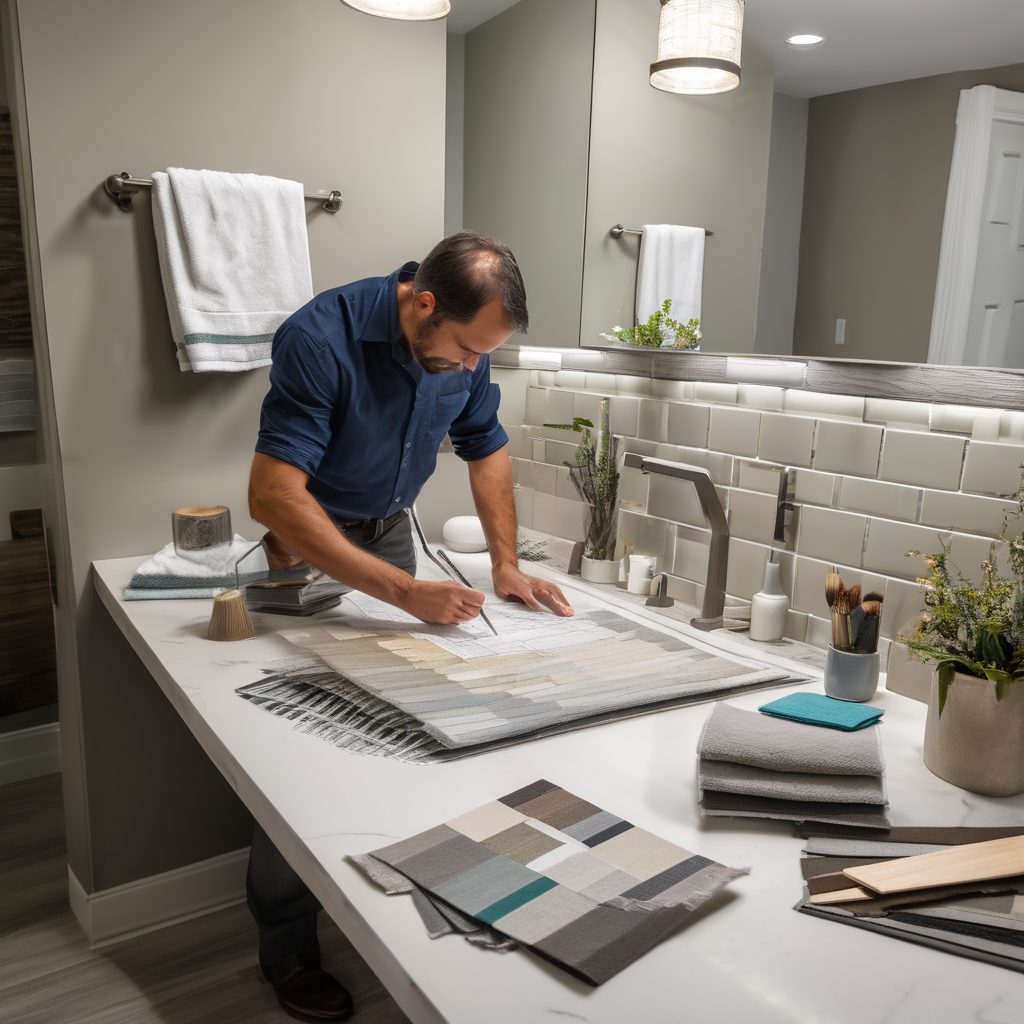
- A good consultation covers layout (how items are positioned for workflow), materials selection (what cabinet wood, countertop material, and backsplash will actually work in your space and budget), and the nitty details like cabinet hardware, faucet style, and lighting. A professional designer will ask about how you cook, how you use the space, and what your timeline and budget actually are—not what you wish they were. Some charge a consultation fee (usually one to three hundred dollars), which sometimes gets applied to the project cost if you move forward. It's worth doing before you commit to ordering anything.
- Should I do this project myself or hire professionals?
- If cabinet installation and countertop finishing are your actual skill set, you can do it. If they're not, you probably shouldn't. This isn't painting a bedroom. Custom cabinetry costs enough that a mistake in installation means expensive fixing or starting over. Professional installers have the tools (and the experience with problem-solving) that make the difference between a cabinet that sits flush and one that doesn't. The same is true for countertops—cutting, seaming, and finishing require precision and specific equipment. Hire professionals for the skilled work; you can manage demo and cleanup yourself if you want to save money there.
- What happens if I change my mind after ordering?
- Depends on how far along the fabrication is. Most custom cabinet makers will charge a restocking or modification fee if you make changes after the deposit is placed. Some changes are easy (hardware color, for example), others are not (cabinet dimensions, door style). Read the contract before you sign—it should spell out what happens if you modify or cancel. The best approach is to be absolutely sure about your choices before the work starts. Walk the plans through with someone experienced if you're uncertain; it's cheaper than redoing things because you changed your mind mid-project.
Gathered From Contractors and Our Own Projects
Most of them came from conversations with contractors, cabinet makers, and designers over the three years we documented on this site. Some came from our own projects—questions we had to ask before we understood what we were paying for. They're not the kind of questions you'll find answered perfectly on a cabinet manufacturer's website, because those sites are designed to sell you cabinets, not to tell you whether this is the right time to order them.
What surprised us was how consistent the questions were. Everyone asking about a kitchen or bathroom project has some version of these same concerns: Will this actually fit my space? How long will I be without my kitchen? What am I actually paying for? Is this worth doing now, or should I wait? Those are the practical questions, and they matter more than the aesthetic ones when you're making a decision that costs tens of thousands of dollars.
The reason we're putting these here is simple: you're probably asking them too. You'll find more detail on other pages if you want to dig deeper into budgeting, planning, or what to look for in a contractor. But these answers should give you the outline of what you're actually considering before you call anyone or start shopping for cabinets.
Pages to Read Before You Call Anyone
Once you've got answers to these baseline questions, the next step depends on what you're actually deciding. If you want to understand what a project costs, we've got a detailed cost guide that walks through what money goes where. If you're trying to figure out whether to upgrade your existing cabinets or replace them entirely, we have a guide comparing the options side by side. For understanding what contractors should know how to do—the standards that separate good work from bad—there's a technical notes page about installation and materials.
What you probably shouldn't do next is start shopping for cabinets or calling contractors without first knowing what you're looking for. Once you understand your actual budget, your actual timeline, and what your space can actually accommodate, those conversations get much more productive. You'll know what questions to ask, and you'll be able to judge whether someone's answers make sense or whether they're oversimplifying a problem that needs actual thought.
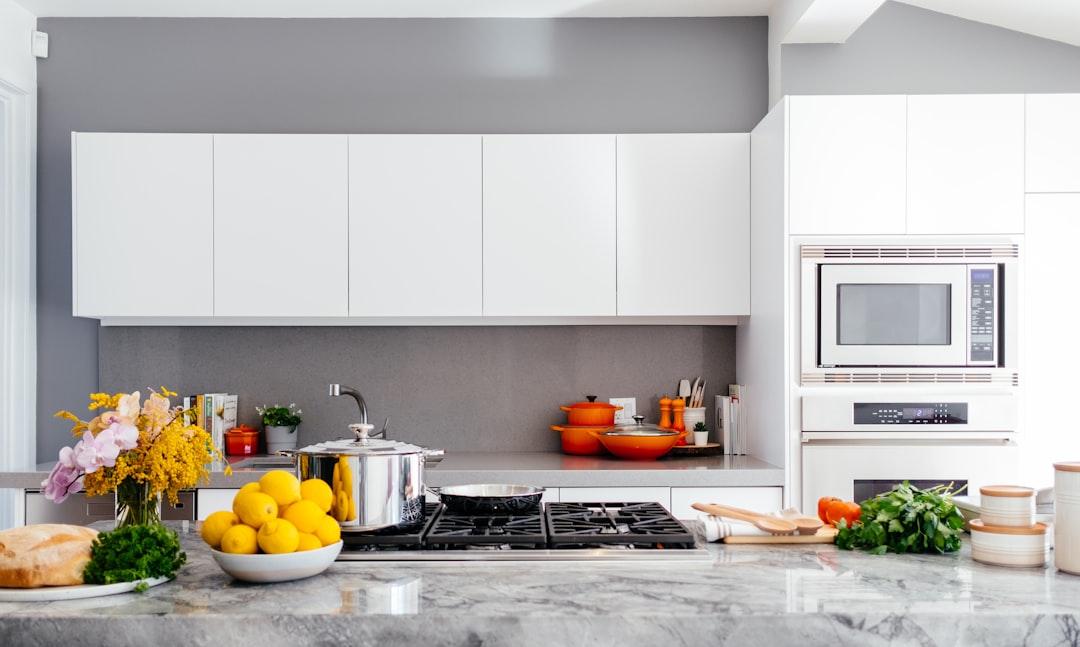
We've documented our own projects in the gallery section of this site. Seeing the actual before and after—not the stylized photos from magazines, but real kitchens in real houses with real lighting—can help you figure out what kind of change you're actually looking for. Sometimes people discover they don't need as big a project as they thought. Sometimes they realize they've been underestimating what they want to do. Either way, that clarity is worth having before you commit.
Will I Regret This in Five Years?
The real question underneath most of these questions is this: Am I making the right decision? Will I regret this choice in five years? The answer is almost always yes, you're making the right decision—but only if you've asked these questions first and made your choices with your eyes open, not hoping it all works out.
Stock, Semi-Custom and Full Custom by the Numbers
| What You're Deciding | Stock Cabinets | Semi-Custom | Full Custom |
|---|---|---|---|
| Price per linear foot | $80–150 | $150–250 | $250–400+ |
| Lead time | 2–4 weeks | 6–8 weeks | 8–12 weeks |
| Sizing flexibility | Limited (30", 36", 42" only) | Moderate (custom widths within ranges) | Full (any size to fit your space) |
| Material options | Limited (usually just particle board veneer) | Moderate (plywood, some solid wood) | Extensive (solid wood, premium veneers, specialty finishes) |
| Hardware choices | Limited (usually 3-4 options) | Expanded (designer selections available) | Unlimited (choose any commercial-grade hardware) |
| Installation complexity | Standard (fits standard spaces) | Moderate (some shimming/fitting required) | High (precision fitting, often requires specialized carpentry) |
| Best for | Budget-conscious, straightforward layouts | Most standard renovations, good value | Unique spaces, luxury finishes, one-of-a-kind vision |
| Prices are 2026 averages for the Boston/Manchester NH region and will vary based on current material costs and local labor rates. | |||