Suppliers
Finding the right cabinet supplier isn't about hunting for the cheapest option — it's about understanding what separates builders who will take care of your project from those who are just moving numbers.
This guide walks you through what to look for and which standards actually matter.The supplier you choose determines what materials you have access to, how well they'll perform over time, and whether you'll be proud of the work five years in.
Before you call a cabinet supplier
Before you contact anyone about a project, do three things. First, visit your local kitchen and bath showrooms to see actual finished cabinetry — not pictures, but cabinets you can open and close, run your hand over the finish, and look at the joinery up close. Second, make a list of what you're looking for: are you refinishing existing cabinets or installing new ones? Do you want stock, semi-custom, or fully custom cabinetry? What's your timeline, and what's your actual budget (not your wish budget, but what you can actually spend)? Third, collect business cards and website links from anyone who looks like a serious option.
Once you have that baseline, start asking questions. A good supplier will ask about your space, your design goals, your timeline, and what you've already decided. They'll show you their past work. They'll walk you through material options and help you understand why one costs more than another. They won't pressure you into decisions or upsell you on finishes you don't actually want.
The best way to find a good supplier is referrals. Ask your contractor, your designer, or anyone who's done a kitchen remodel in the last five years who they worked with and whether they'd hire them again. That recommendation is worth more than a thousand marketing claims. If you don't have a referral, start at the trade associations and work outward from there.
What a good supplier explains without being asked
A good supplier gives you options without overwhelming you. They should be able to explain the difference between wood species, finish types, hardware standards, and edge banding materials — not in marketing language, but in terms of what that means for durability, maintenance, and cost. They'll ask about your kitchen's light, humidity, and how intensively you cook, because those details actually change which woods and finishes will hold up over time.

When you're comparing quotes, ask the same questions of each supplier so you're comparing actual options, not just prices. A quote that's 30% cheaper might be 30% cheaper because they're cutting corners on finish quality, joinery, or installation support. It might also be cheaper because they're more efficient, which is fine. The difference is whether they can explain it. A supplier who won't break down their pricing or explain their material choices is not one you want managing a four-figure investment in your kitchen.
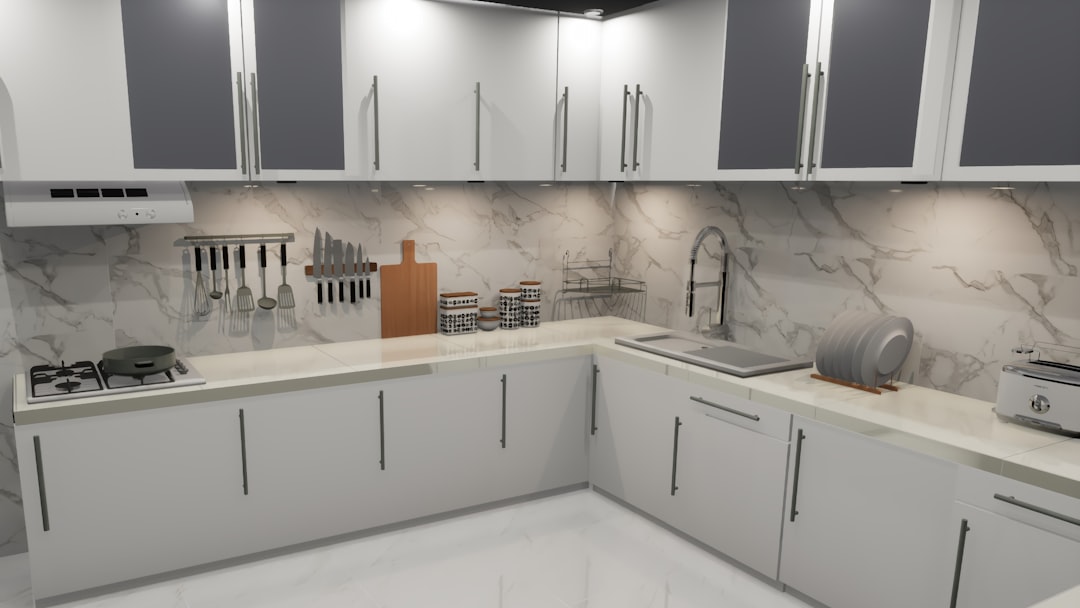
The cabinet supplier is your partner in the early phase of the project. They help you translate your vision into a set of specifications. They handle the build phase and usually manage the installation. Treating them as a collaborator rather than a vendor — asking questions, providing feedback, staying involved in the process — almost always results in better outcomes than handing them a list and coming back when it's done.
Lead times, finishes, hardware and change orders
Lead time surprises
Custom cabinetry doesn't materialize overnight. A typical timeline runs eight to twelve weeks from order to delivery, depending on the complexity and the builder's backlog. That timeline needs to be in writing before you commit. A supplier who tells you "about three months" and then delivers in five has left you in limbo on your entire project timeline.
The finish conversation
Cabinet finishes come in dozens of options: stain, paint, lacquer, veneer, wood-grain finishes. Each has durability trade-offs and cost implications that aren't always obvious. A stained cherry cabinet that looks rich in the showroom might show fingerprints constantly in actual use. A matte paint finish that looks sophisticated might need recoating sooner than a glossy finish. These aren't deal-breakers, but they're decisions that need to be made consciously, with full information, not discovered after installation.
Hardware and ordering
Cabinet hardware — knobs, pulls, hinges, soft-close mechanisms — adds up to real cost and real visual impact. Some suppliers include it, others charge separately. Some give you a limited palette, others let you source it yourself. Get this clarified in writing before you're halfway through the order and realizing the hinges you chose aren't compatible with the finish you picked.
Changes mid-project
A design change two weeks into a cabinet build might be free if it's minor, or it might carry a significant charge if it requires remeasuring or re-cutting. What counts as free and what counts as a change order needs to be clear from the start. The best suppliers build in a "design freeze" window and a process for changes that lets you understand the cost before you commit to it.
Industry standards and references
Two trade associations set the standards that cabinet suppliers actually use. The National Kitchen & Bath Association is the trade association behind kitchen and bath certification — it's a good place to check a designer's credentials before you commit to a project, and their website includes a professional directory and industry planning guidelines. The Kitchen Cabinet Manufacturers Association runs the quality certification programs cabinet manufacturers are tested against — worth looking into if you're comparing suppliers on more than price alone. Their Quality Certification Program is an actual standard your cabinets can be tested against, which matters more than any marketing claim.