Project Gallery
The cabinets and countertops you see here aren't just pretty — they're built on decisions. Each one was chosen because it solved a real problem, demonstrated a technique worth learning, or proved something about how custom cabinetry actually works.
That's what this gallery is: not just before-and-afters, but the reasoning behind each choice.When a kitchen works, the story behind it matters as much as the result.
Five projects, five problems solved
| Project | Type | Focus | Key Detail |
|---|---|---|---|
| Brookline Kitchen Refresh | Cabinet refinish | Maximizing existing space | Custom hardware selection and finish restoration |
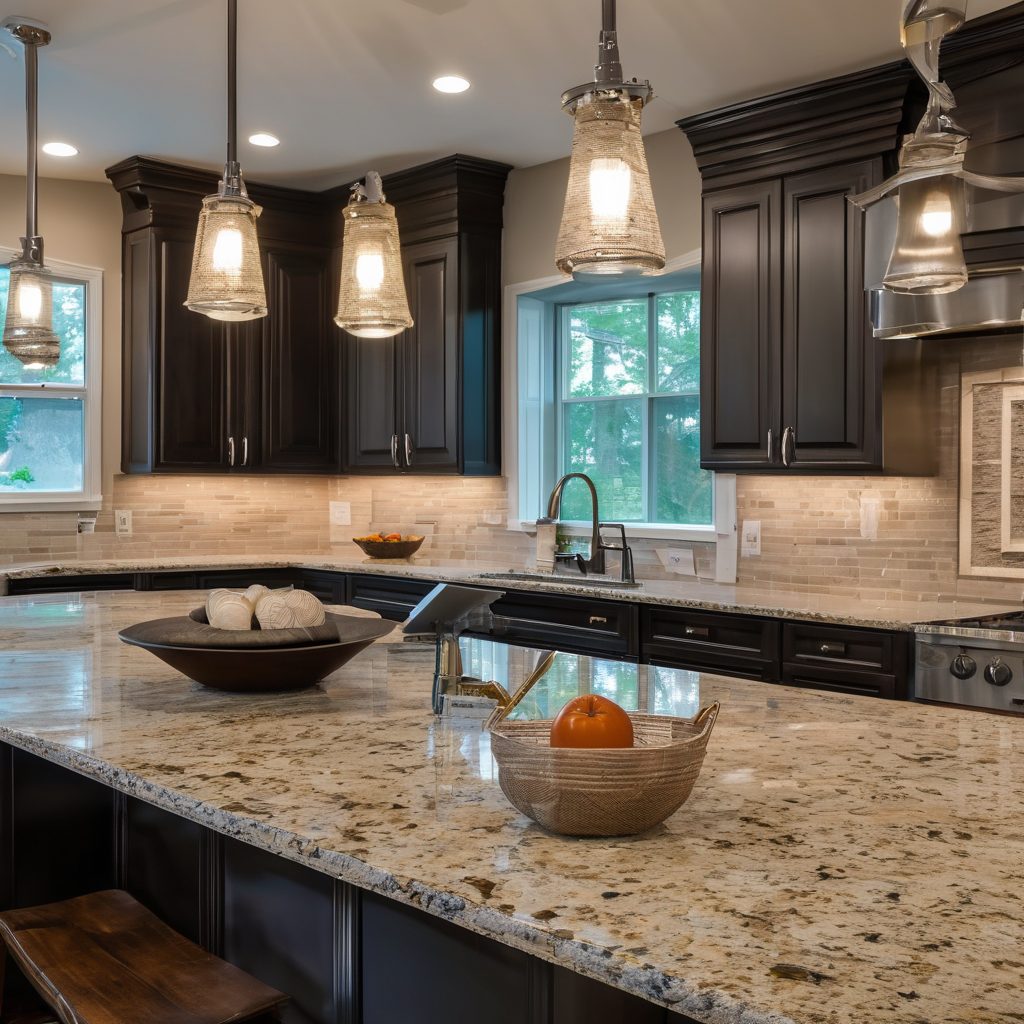
| Newton Full Remodel | New cabinetry | Luxury countertop integration | Quartz installation with precise cabinet alignment |
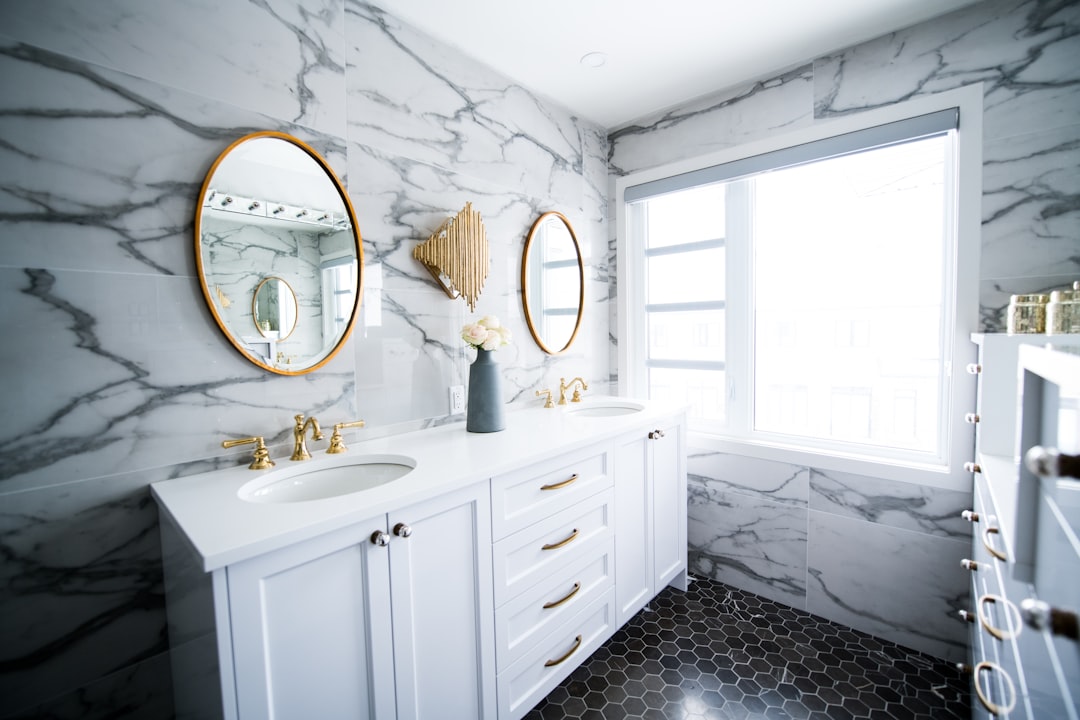
| Winchester Bathroom Suite | Vanity and storage | Compact space planning | Custom depth adjustment for plumbing layout |
| Canton Open Shelving | Floating shelves | Minimalist design with function | Load-bearing bracket engineering and finish detail |
| Dedham Two-Tone Design | Mixed cabinets | Visual hierarchy and contrast | Paint-to-stain transition and edge banding |
| Each project was selected because it teaches something about how thoughtful cabinetry planning solves the problems people actually face in their homes. | |||
Seams, hardware, undersides and finish
The seam work
Cabinet doors meeting seamlessly looks simple but isn't. Each project shows how alignment, hardware placement, and finish consistency across grain direction keeps the joins looking intentional rather than accidental. The grain direction choice alone changes how light plays across a face frame.
Hardware as design
Knobs and pulls carry more visual weight than their size suggests. Whether something reads as modern or traditional, high-end or DIY, often comes down to hardware choice and placement. Three hundred dollars on hardware can change how expensive an entire kitchen looks, and the cost scales differently than people expect.
The undersides
Paint or stain on the underside of a floating shelf, the interior of an open cabinet, or the back of a kitchen island tells you something about whether someone paid attention. It's the detail no one asks to check, which is exactly why it matters when it's done right.
Finish durability
A kitchen cabinet finish needs to survive humidity, heat near the stove, and daily contact from hands — conditions that stock finishes weren't engineered for. The projects here all use cabinet-grade finishing that's meant to last twenty years, not two.
What each project teaches
These five projects live here not because they're the fanciest work anyone's ever done, but because they answer real questions people ask when they're planning their own cabinets. A Brookline kitchen refresh teaches you what's actually possible without full demolition. Newton's full remodel shows how luxury countertops drive the cabinetry decisions around them. Winchester demonstrates how a small bathroom doesn't mean sacrificing storage or style.
In a small bathroom the vanity is usually the one piece of cabinetry that has to work around the plumbing, not the other way round. Whoever builds it should double-check every measurement before anything goes into production.
Canton's floating shelves are here because open storage is easier to get wrong than right — it requires the underlying joinery to be honest about what it can hold. And Dedham's two-tone design breaks what a lot of people think they're supposed to do. Two different colors shouldn't work, but thoughtful cabinet design makes them belong together.
Every project started with a specific problem: a homeowner who had a vision but needed help translating it into something buildable. That translation process — from idea to reality, with the material constraints and the real-world installation challenges that come with it — is what these galleries document. The best cabinet project is the one that solves your problem without asking you to sacrifice what you actually want.