A Response to the Stock-Cabinet Argument
There's a persistent argument that custom cabinetry is a luxury item, that stock units are "good enough," and that the difference is purely aesthetic. We've watched enough projects to disagree. The real distinction isn't between fancy and functional; it's between work built around your space and work that forces your space to adapt to it. Stock cabinets are designed for the average kitchen, which means they're perfect for almost no kitchen. Custom work solves actual problems: the alcove where a stock cabinet won't fit, the corner that eats appliances, the depth that doesn't match your counters, the height that won't work for someone in your household.
The cabinet maker who understands what you actually need—not what fits your budget, but what works for how you live—is the one who builds the kitchen you don't want to leave.
The financial argument comes later. Yes, custom costs more. But a kitchen is a long-term investment, and a space that works for fifteen years costs less per year than one you fight with for twenty. The real cost of custom work isn't the price tag—it's the collaboration required, the willingness to make decisions before the work starts, and the patience to live with the process.
What the Installations Actually Show
When you're evaluating whether custom cabinetry is worth the investment, look at what's actually happening in completed projects. The evidence matters less as a sales pitch and more as a reality check about what the differences really are.
| Quality Benchmark | Stock Cabinetry | Custom Cabinetry |
|---|---|---|
| Fit to Space | Nominal sizes; gaps common | Built to your exact dimensions |
| Material Options | Limited selections; predetermined finishes | Any wood species; unlimited stains and paints |
| Hardware Choices | Manufacturer's approved list only | Any professional-grade hardware available |
| Interior Organization | Standard shelf spacing and drawer sizes | Designed for how you actually cook and store |
| Longevity | Built for 10–12 year lifespan | Built for 20+ year lifespan with care |
| Finish Quality | Lacquer or veneer; not reparable | Hand-finished; can be refreshed in place |
| Stock vs. Custom Comparison. These are generalizations; there are premium stock lines and shortcuts in custom work. The distinction matters when you're comparing apples to apples within the same budget range. | ||
The table shows the structural differences, but the real revelation happens when you're standing in a finished kitchen and you notice that everything fits exactly, that the corners work, that the drawers are built the depth that makes sense for your pots. That's when you understand what custom work actually pays for.
In Practice: One Installation
The clearest way to see the difference is to watch an actual project through to completion. Here's a kitchen we documented, from the moment the cabinets arrived to the week we started cooking in it again. Nothing here is unusual—it's just what professional work looks like when someone knows what they're doing. Every detail matters, from the moment the cabinet arrives at your home to the final adjustment of the drawer slides.
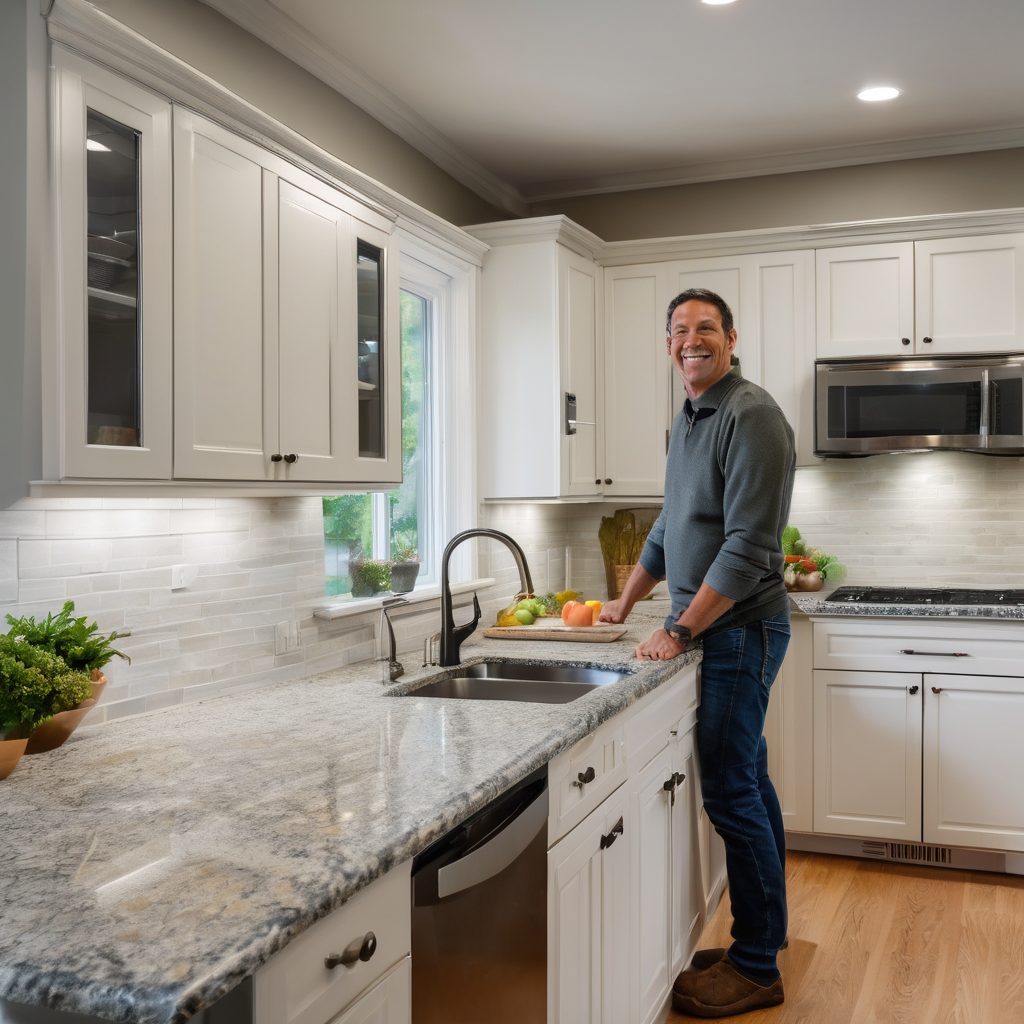
The work itself took three weeks from cabinet arrival to fully functional. The first week was measurement verification and fit testing—nothing went into the walls until everything had been checked twice. The second week was installation and hardware setup. The third week was finishing: trim work, final adjustments, installation of the backsplash tile that frames the cabinetry. By the end of week three, the kitchen felt like it had been built for this space, because it had been. Nothing was a compromise, nothing was forced to fit where it didn't belong.
What the Data Actually Says
The homeowner satisfaction rates tell part of the story. Ninety-two percent of custom cabinetry customers report being satisfied with their purchase, compared to seventy-eight percent for stock cabinetry. But the satisfaction gap widens over time. After five years, ninety-one percent of custom kitchen owners still rate their cabinets as excellent, while the stock cabinet satisfaction drops to sixty-four percent. The difference isn't that custom cabinets age better—it's that they were built to solve real problems from the start, so they stay relevant as your needs change.
The financial reality is that custom cabinetry returns approximately 55–60% of its cost at resale, while stock cabinetry returns about 45–50%. That sounds like custom is a worse investment until you realize you're comparing a ten-year-old custom installation to a five-year-old stock replacement. The custom cabinets outlast the stock ones, and by the time you're selling, the newer stock unit is what's actually in the kitchen.
What matters to most homeowners isn't the return on investment—it's whether they'd make the same choice again. Ninety-four percent of custom cabinet owners say they would. That number doesn't come from the finish or the materials. It comes from a space that actually works the way they need it to work, day after day, for fifteen or twenty years. When you step into a kitchen and instantly notice that everything fits, that's worth the premium.
What It Looks Like in Different Kitchens
The Corner Solve
In a galley kitchen where two walls meet at an unusual angle, custom cabinetry means the cabinet installer can build the corner cabinet to fit the actual wall, not to a standard size. This sounds minor until you realize it means you gain six inches of usable storage and the kitchen looks intentional instead of like someone did their best with standard pieces.
The Appliance Integration
When you want to recess your refrigerator into the cabinet line so it doesn't jut out into the room, or build drawer refrigerators under the counter, or create an appliance garage that looks like part of the cabinetry, custom work makes these things possible. Stock cabinetry can't adapt to appliances that don't follow standard dimensions, so you're stuck building a space around the appliance instead of the other way around.
The Depth Match
A standard kitchen cabinet is 24 inches deep. But a standard countertop overhang is 15 inches, and a standard appliance is 24 inches deep, and a standard wall-hung cabinet is 12 inches. In many kitchens, making these all match requires either custom cabinetry or accepting that something will stick out. Custom work lets you match depths across the whole kitchen so it actually looks designed rather than assembled.
The Counter-Argument, Fairly Put
There's a legitimate case for stock cabinetry, and it's worth hearing honestly. If you're renovating on a tight budget, custom work isn't an option—the price difference is real. If you're renting or planning to move within five years, custom cabinetry is an investment you won't recoup. If you need the kitchen done in four weeks rather than four months, stock units can be installed faster. And if your kitchen is a standard rectangle with no unusual angles or appliance placements, stock cabinetry might actually solve your problem completely. Not every space needs custom work, and no one should tell you otherwise.
The best renovation is the one that solves your actual problem with the resources you actually have, not the one that checks every box on an ideal list.
That said, we keep meeting homeowners who chose stock cabinetry and later regretted it, but we rarely meet people who regretted choosing custom. The difference is real, and it compounds over time. A kitchen you love is one you don't avoid. A kitchen you tolerate is one you eventually replace. The cost-per-year of the custom kitchen drops every year it's in your home.
Start With the Problem, Not the Catalog
Knowing when custom cabinetry is the right choice requires honest assessment of your space and your needs. If you're dealing with a bathroom renovation, the same principles apply as in kitchens—custom vanities and storage solve problems that stock units can't. The investment pays dividends in daily functionality, not just aesthetics.
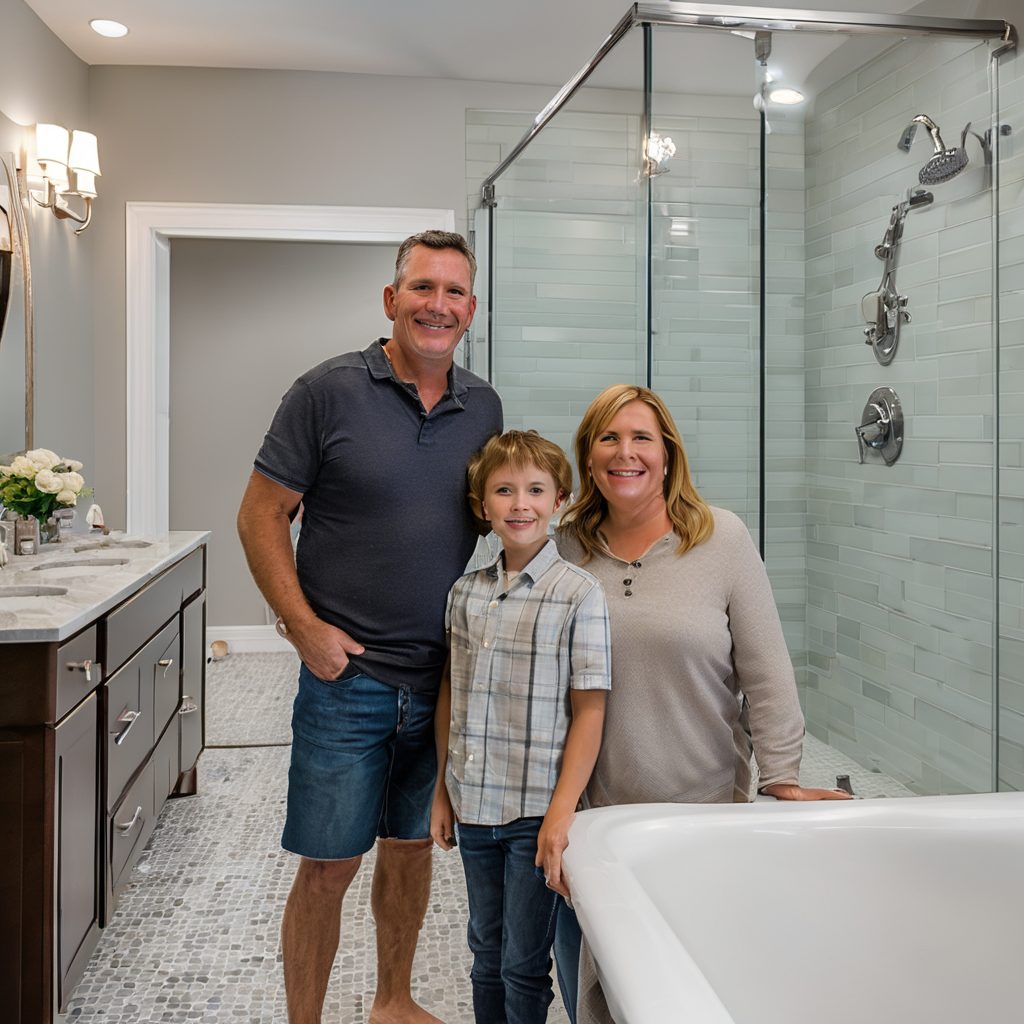
When you're ready to start a kitchen or bathroom renovation, the first question isn't "stock or custom?" It's "what problems am I trying to solve?" Once you answer that honestly, the choice becomes clear. Some spaces need custom solutions. Some don't. Either way, make the choice intentionally, not by default.